Kitchen and bathroom remodels create a surprising amount of debris for rooms that aren’t all that big. Cabinets, countertops, tile, drywall, old fixtures, and flooring add up fast — and because so much of it is dense and heavy, these projects trip people up more than almost any other renovation when it comes to sizing a dumpster.
In this blog, we’ll explore how to think through it before your remodel starts.
Why Kitchen and Bathroom Debris Adds Up Fast
A bedroom cleanout is mostly volume — boxes, furniture, soft goods. A kitchen or bathroom remodel is a different animal.
Tile, countertop material, cast iron tubs, and old cabinetry are heavy in a small footprint, which means these projects often hit a weight limit before they ever fill up the container.
Sizing for a kitchen or bath job means thinking about tonnage just as much as cubic yards.
Bathroom Remodels: Usually Smaller, But Dense
A single bathroom remodel — vanity, toilet, tub or shower surround, tile, and flooring — is a relatively contained project, but the materials are heavy. For most single-bathroom gut jobs, our 10-yard dumpster (1 ton of included tonnage) is often enough, though a heavily tiled bathroom with a cast iron tub can push toward the extra-weight threshold.
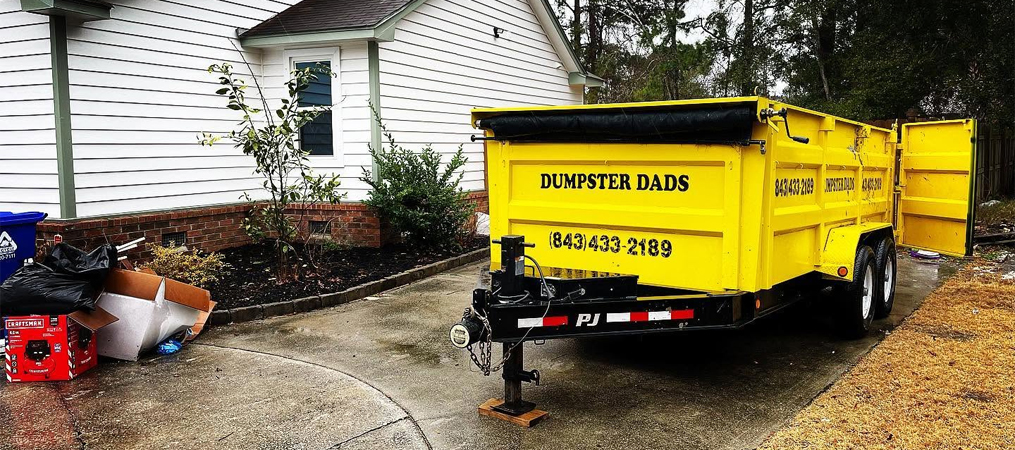
If you’re doing more than one bathroom at once, or pairing it with other work, it’s worth stepping up to a 15-yard dump trailer or 20-yard dumpster instead.
Kitchen Remodels: More Volume, More Weight
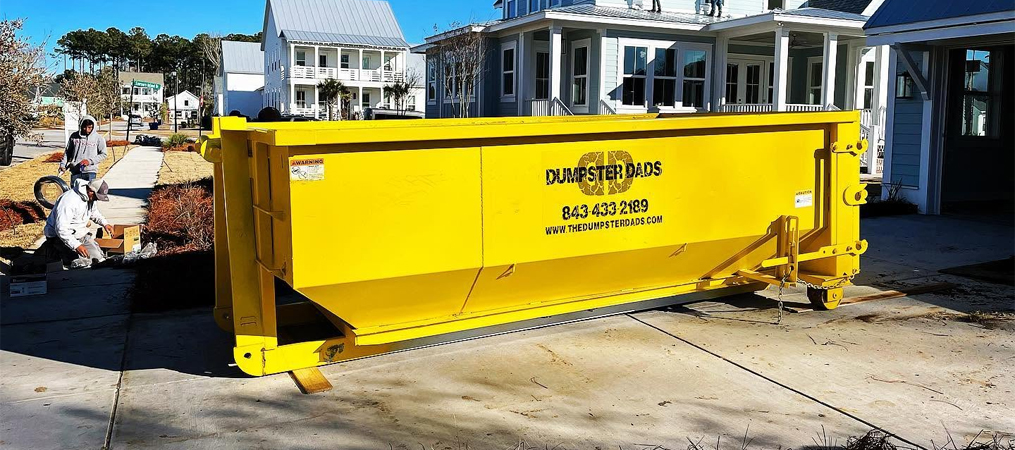
Kitchens bring more into play — cabinets, countertops, appliances, flooring, and often some drywall if walls are moving. A single-kitchen remodel typically lands well with a 20-yard dumpster, which includes 2 tons of tonnage and enough room for cabinetry and countertop removal alongside general debris.
If your kitchen remodel is part of a larger renovation, or if you’re removing stone countertops and a full tile backsplash, a 30-yard dumpster (3 tons included) gives you more room to work with before hitting an overage fee.
When One Dumpster Isn’t Enough
Some kitchen and bath remodels genuinely need two hauls, especially larger kitchens with full demo down to the studs or combined kitchen-and-bath projects running at the same time.
Rather than guessing, tell us the scope — square footage, what’s being removed, whether tile or stone is involved — and we’ll help you decide whether one larger dumpster or a swap partway through makes more sense for your budget and timeline.
A Few Materials Worth Flagging Ahead of Time
A few things come up often enough in kitchen and bath remodels that they’re worth mentioning when you book:
- Tile and stone — heavy in small volume, and the main reason bathroom jobs hit weight limits
- Cast iron tubs and old appliances — call ahead so we can plan tonnage accordingly
- Countertop material — quartz and granite offcuts are dense; let us know if you’re swapping countertops
None of these are a problem — they just help us recommend the right size dumpster instead of the closest guess.
Protecting Your Home During the Project
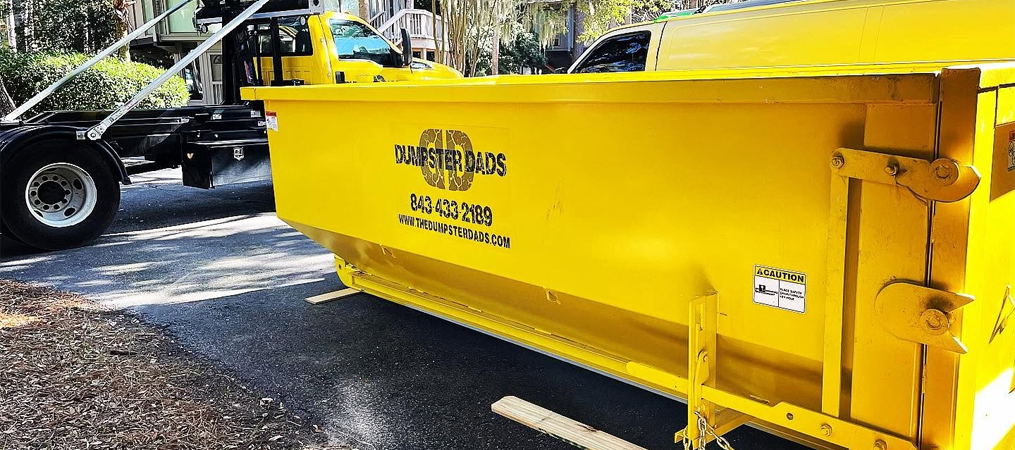
Kitchen and bath remodels often run longer than other projects, meaning the dumpster may sit in your driveway for a week or two. We treat driveways and yards carefully during that time, including protective placement on new concrete or pavers, so the container doesn’t become its own repair project once your remodel is done.
Let’s Size It Right the First Time
Whether you’re refreshing a single bathroom or gutting the kitchen down to the studs, Dumpster Dads helps greater Charleston-area homeowners get the right dumpster size the first time.
Call us at (843) 433-2189 or book online, and tell us about your remodel — we’ll help you secure the right size residential or commercial dumpster rental in Charleston, SC.